
Psychiatry is fraught with myths and misunderstandings regarding its origins, and is often perceived as having a dark aura surrounding its intentions. It does not help that it is used recurrently in popular culture (think books and movies) as a backdrop for sinister happenings. Although the history of the field has regrettably had dark episodes, a clear and objective understanding of its evolution is generally lacking for the uninitiated. This book offers a great introduction of this medical subspecialty, starting around the middle of the 18th century with the reinvention of the asylum, and ending at the end of the 20th century with the de-stigmatization of psychiatric disorders and popularization of modern mood-stabilizing drugs. At around 300 pages, it is just long enough to get a good glimpse of the field’s trajectory, with particular emphasis on the advent of psychoanalysis and psychopharmacology, yet short enough not to bog the reader down with minutia. Pre-medical students considering a residency in psychiatry will find this history enlightening, but they should keep in mind that this book was published almost 30 years ago (at the time of writing this review), so current perceptions of psychiatry are missing. Moreover, readers should keep in mind that this work focuses on psychiatry primarily through a social lens, and does not dwell on our changing understanding of the biological substrates underpinning psychiatric disorders. Nevertheless, this book is a great start, and will show that our uncomfortable co-existence with psychiatry is in large part due to the fact that studying human behavior (and deciding where to draw the line between “normal” and not) inevitably forces us to constantly reposition our notion of what it means to be human.
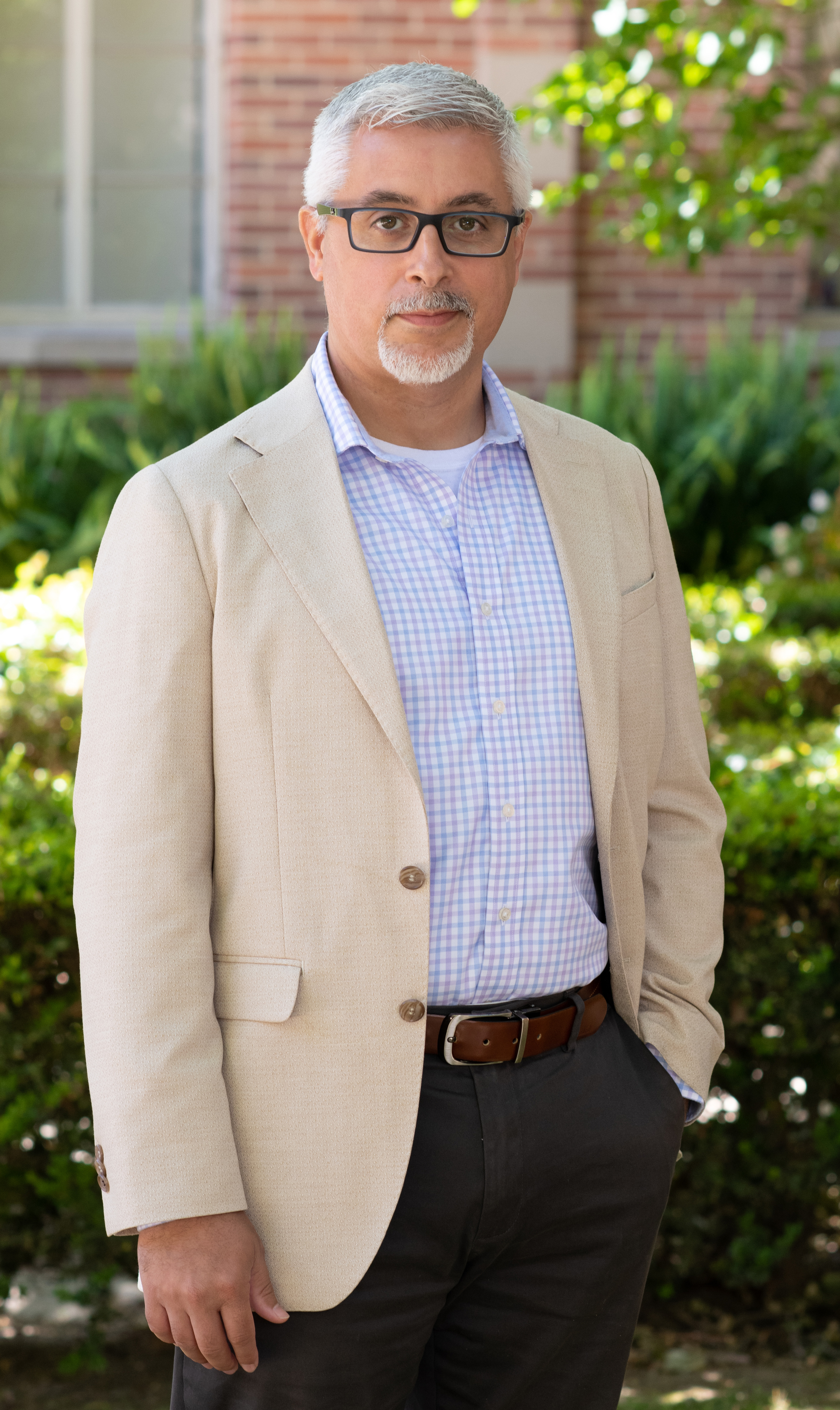 Rafael Romero, PhD