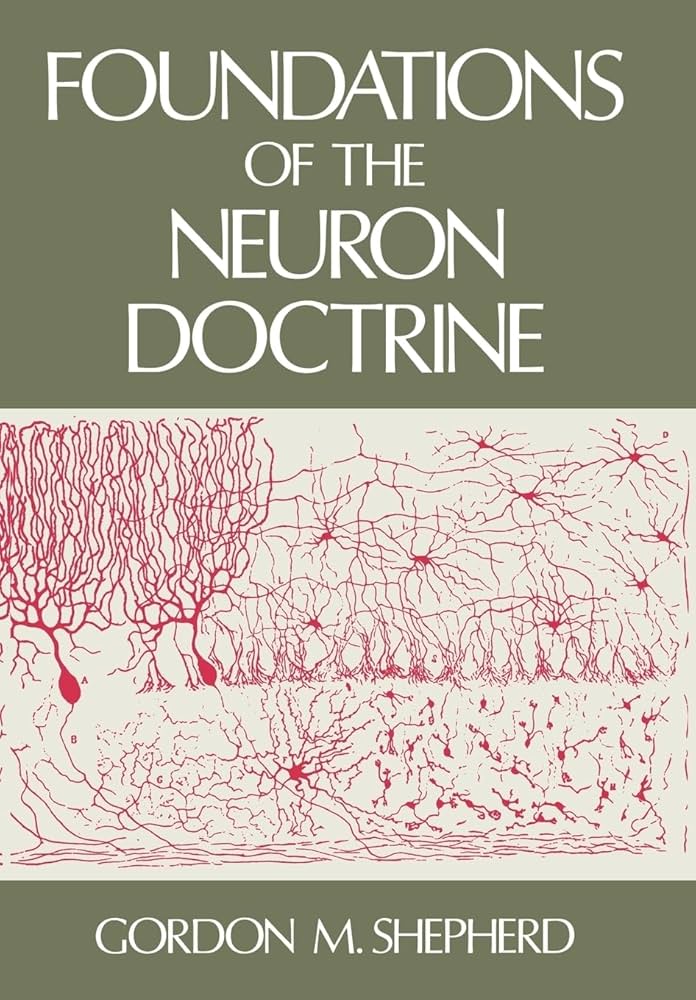
This is the book to read first for any student interested in the deep history of neuroscience. Expertly written by one of modern neuroscience’s most respected researchers, it spans the 19th century, spilling into the start of the 20th century, to cover the major milestones (and investigators) that led to the neuron doctrine. Since very little was discovered prior to the 19th century, this book can be said to start at the beginning of it all. Although not comprehensive, it gives a thorough view of the process by which the neuron was discovered, including some of the important controversies of the time, most notably the concept of reticularism. It is well summarized, but notably, it includes many excerpts of the original texts plus several key illustrations to help readers derive their own conclusions. Of note, many of these excerpts were translated for this book into English for the first time, since much of the work was originally published in German, French, Spanish and Italian, but not yet translated for English readers. Beyond its core subject matter, this book also serves as a wonderful view of the universality of the scientific process. As the author puts it: “…it reflects a particularly attractive aspect of the work on the neuron doctrine, namely, the extent to which it embraced such a diversity of workers of different nationalities… To the present writer this diversity stands as an inspirational testimony to the international character of science.” Ditto.
Note: A 25th anniversary (2nd) edition of this book was published in 2015 and might be easier to currently find.