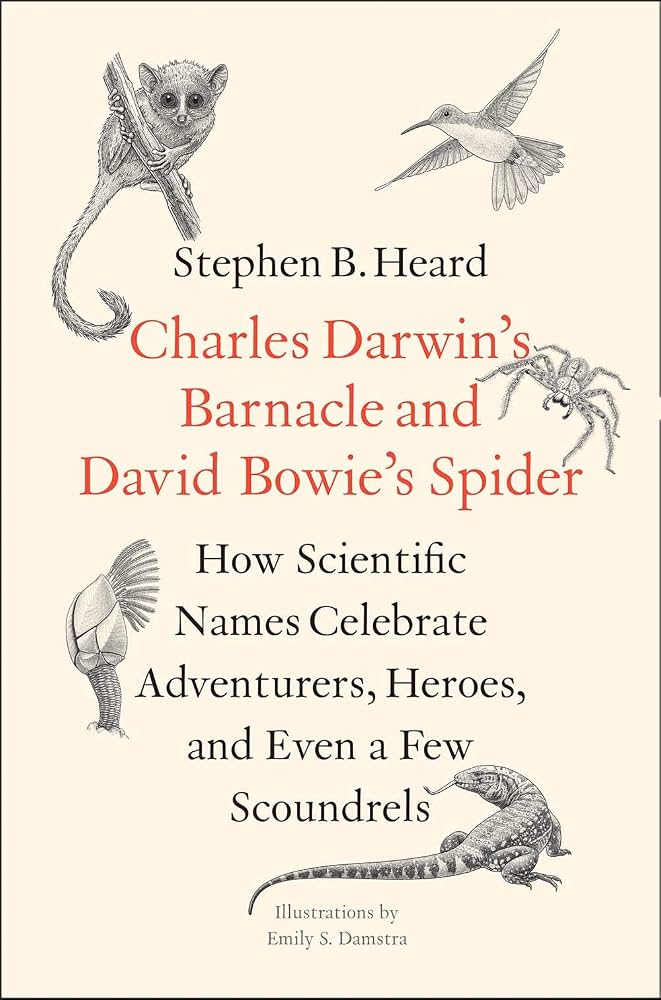
The potential for this book was immense- it was meant to give readers a glimpse into the quirky and arbitrary world of species naming, which is as obscure as it is fascinating. Very little is written about this process so only taxonomists really understand what happens behind the curtains. Lamentably, this attempt was seriously botched by the author’s objective to introduce current sociopolitical views into the narrative. Rather than solely sticking to the science, he interjects his personal ideological views into the story, which sours his account throughout.
Nearly every chapter is used by the author to drive some sociopolitical point, broadly focusing on lack of representation in science (with an emphasis in women and indigenous cultures), western colonialism in the context of white maleness, sexuality and the need for more funding to promote conservation. Not that these issues are not real, or that they should not be discussed, but the author would have done better to mention these in the prologue, to set the stage, and then just focus on the science letting readers draw their own conclusions. Moreover, across the book, the author also imbues his moral judgment on historical events, but solely using a modern American lens. He is either oblivious to the fact or unwilling to accept that historical events are always nuanced, and critically dependent on the sociopolitical circumstances of their time and place. Again, it would have been best to simply let the reader ponder on these events using their own experiences, culture and ethical framework rather than imposing it outright.
To be fair, there is one chapter in particular that is spared the ideology and solely sticks to the facts. Chapter 2 (“How Scientific Naming Works”) is actually quite informative, summarizing the rules used to name species. This is the sort of knowledge that is only gained in specialized courses, so having it explained here is appreciated indeed. If only the rest of the book had followed this strategy. As it were, a work that the author clearly wanted to use to promote the wonderment of science (a laudable goal) is so ideologically biased that it will likely turn off a sizeable percentage of the general public. Ironic, but also a call to burgeoning science educators to always think about their audience (what do they need to learn to understand the science and potentially be fascinated by it), not about themselves (what they feel about the science or how others should view it).